
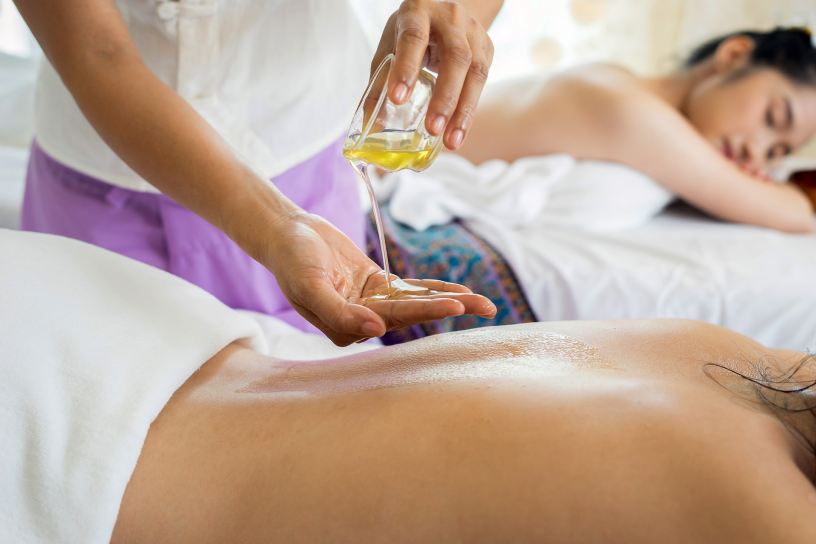
In today’s fast-paced world, finding time to relax and unwind can often feel like a luxury. Treatment spas have emerged as a sanctuary where individuals can escape the stresses of daily life and indulge in various wellness therapies designed to rejuvenate both body and mind. This blog post delves into the multifaceted benefits of treatment spas, highlighting their diverse offerings and the unique experiences they provide.
The Essence of a Treatment Spa
At its core, a treatment spa focuses on health and wellness through a combination of relaxation techniques and therapeutic treatments. Unlike traditional spas that primarily offer beauty treatments like facials and manicures, treatment spas prioritize holistic well-being, integrating elements of physical health, mental clarity, and emotional balance. This comprehensive approach often includes services such as massages, hydrotherapy, aromatherapy, and other wellness treatments tailored to individual needs.
Therapeutic Massages: More Than Just Relaxation
One of the most sought-after services at treatment spas is therapeutic massage. This practice encompasses various techniques, including Swedish, deep tissue, and hot stone massages, each targeting specific areas of tension and discomfort.
- Swedish Massage: Known for its gentle strokes and long, flowing movements, this technique promotes relaxation and improves circulation. It’s ideal for those looking to unwind after a long week.
- Deep Tissue Massage: This style focuses on deeper layers of muscle and connective tissue. It is particularly beneficial for individuals suffering from chronic pain or muscle tension, providing relief and enhancing mobility.
- Hot Stone Massage: Heated stones are strategically placed on the body, combined with traditional massage techniques. This treatment not only soothes muscle tension but also helps to improve circulation and balance energy levels.
Hydrotherapy: Harnessing the Power of Water
Hydrotherapy is another cornerstone of treatment spa offerings. Utilizing water’s therapeutic properties, various treatments can enhance relaxation, improve circulation, and alleviate pain.
- Hot Tubs and Jacuzzis: Soaking in warm water can help to ease muscle tension, stimulate circulation, and promote relaxation. Many treatment spas offer private soaking tubs for an intimate experience.
- Contrast Therapy: This involves alternating between hot and cold water exposure, which can significantly improve blood flow and reduce inflammation. It’s often used as part of physical therapy protocols.
- Vichy Showers: In this treatment, a series of water jets gently cascade over the body, promoting relaxation and exfoliation. It’s a refreshing way to rejuvenate the skin while easing tension.
Aromatherapy: The Art of Scent
Aromatherapy is a sensory experience that enhances the spa journey. By using essential oils derived from plants, treatment spas provide not only physical relief but also emotional well-being.
- Essential Oil Blends: Spas often customize essential oil blends to cater to individual needs, whether it’s calming lavender for relaxation or invigorating citrus for energy.
- Inhalation and Massage: Essential oils can be inhaled or used during massages, allowing clients to experience their therapeutic properties fully. This dual approach enhances relaxation and promotes mental clarity.
Mindfulness and Meditation
Many treatment spas recognize the importance of mental health and offer mindfulness and meditation sessions. These practices can significantly reduce stress and anxiety levels, promoting a sense of peace and well-being.
- Guided Meditation: Trained professionals often lead meditation sessions, helping individuals to focus their minds, breathe deeply, and connect with their inner selves.
- Mindfulness Workshops: Some spas offer workshops that teach techniques to incorporate mindfulness into everyday life, empowering clients to manage stress long after their visit.
Nutrition and Wellness Coaching
A growing trend in treatment spas is the inclusion of nutritional guidance and wellness coaching. This holistic approach emphasizes the connection between diet, health, and wellness.
- Nutritional Assessments: Many spas provide assessments to help individuals understand their dietary habits and suggest improvements that align with their wellness goals.
- Cooking Classes and Workshops: Engaging workshops can educate clients on healthy cooking techniques, reinforcing the idea that wellness extends beyond the spa environment.
The Ambiance of Tranquility
The physical environment of a treatment spa plays a crucial role in enhancing the overall experience. Most spas are designed with tranquility in mind, incorporating soothing colors, calming scents, and serene sounds to create an oasis of peace.
- Natural Elements: Many treatment spas utilize natural materials like wood, stone, and plants to foster a connection with nature, promoting relaxation and mindfulness.
- Quiet Zones: Dedicated quiet areas allow clients to relax and reflect before or after treatments, ensuring a comprehensive experience of wellness.
Tailoring the Experience
What sets treatment spas apart is their commitment to personalized service. From initial consultations to tailor-made treatments, clients are encouraged to express their needs and preferences, ensuring a bespoke experience that caters to individual wellness journeys.
Whether one seeks relief from chronic pain, a moment of relaxation, or a complete rejuvenation of mind and body, treatment spas offer a holistic approach to wellness that nurtures every aspect of well-being. The unique combination of therapies, ambiance, and personalized care makes treatment spas a vital resource for anyone looking to restore balance in their life. By prioritizing self-care in such a tranquil setting, individuals can embark on a path toward improved health and lasting relaxation.
 Active Life Health Blog