
Maintaining good dental health is a critical aspect of overall well-being, yet it is often overlooked. Dental issues can lead not only to discomfort but also to more severe health problems. This guide will explore various facets of dental health, including preventive care, the importance of regular check-ups, nutrition, and common dental problems.
The Foundation of Dental Health: Daily Care
The cornerstone of dental health lies in daily hygiene practices. Brushing and flossing are essential components of a comprehensive oral care routine. Brushing your teeth at least twice a day with fluoride toothpaste helps remove plaque—a sticky film of bacteria that forms on teeth. Plaque buildup can lead to cavities and gum disease if not managed properly.
Flossing is equally important, as it reaches areas that a toothbrush may miss. Daily flossing helps eliminate food particles and plaque between the teeth and along the gum line, reducing the risk of gum disease. For those who struggle with traditional flossing methods, alternatives like interdental brushes or water flossers can be effective solutions.
The Role of Regular Dental Check-Ups
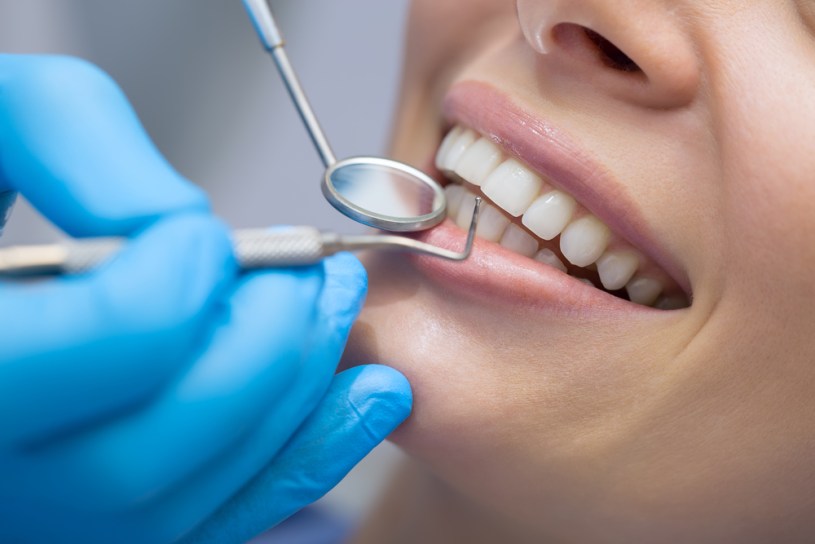
While daily care is vital, it cannot replace the necessity of regular dental check-ups. Dentists recommend visiting for a check-up at least twice a year. During these appointments, dental professionals conduct thorough examinations, often using X-rays to detect issues that are not visible to the naked eye. Early detection of problems such as cavities, gum disease, or oral cancer can save patients from more extensive and costly treatments down the line.
Professional cleanings performed during these visits help remove tartar, a hardened form of plaque that can only be eliminated through professional intervention. Regular cleanings not only keep teeth looking their best but also contribute significantly to overall oral health.
Nutrition’s Impact on Dental Health
What you eat plays a substantial role in your dental health. A balanced diet rich in vitamins and minerals can strengthen your teeth and gums. Foods high in calcium, such as dairy products, leafy greens, and fortified foods, are essential for maintaining strong teeth. Vitamin D also plays a crucial role, as it aids in calcium absorption.
Conversely, sugary foods and beverages can lead to tooth decay. Bacteria in the mouth feed on sugar and produce acids that can erode tooth enamel. Sticky candies and soda are particularly harmful, as they tend to cling to teeth and promote bacterial growth. If indulging in sugary treats, it is advisable to rinse your mouth with water afterward and brush your teeth when possible.
Common Dental Problems
Understanding common dental issues can help individuals recognize potential problems early.
1. Cavities
Cavities, also known as caries, are among the most prevalent dental issues. They develop when the enamel—the hard outer layer of the tooth—becomes damaged by acid produced from bacteria. Early signs include tooth sensitivity and visible holes or pits. Regular dental check-ups can help identify cavities before they progress.
2. Gum Disease
Gum disease, or periodontal disease, occurs when bacteria in plaque irritate the gum tissue. Early-stage gum disease, known as gingivitis, is characterized by redness, swelling, and bleeding of the gums. If left untreated, it can progress to periodontitis, which can lead to tooth loss. Maintaining good oral hygiene and regular dental visits can significantly reduce the risk of gum disease.
3. Tooth Sensitivity
Tooth sensitivity can manifest as discomfort or pain when consuming hot, cold, sweet, or acidic foods and beverages. This condition may arise from enamel wear, gum recession, or dental procedures. If sensitivity becomes bothersome, consulting a dentist can help identify the underlying cause and develop a suitable treatment plan.
The Importance of Lifestyle Choices
Lifestyle choices can also influence dental health. Smoking and tobacco use are strongly linked to gum disease and oral cancer. Quitting these habits not only benefits your dental health but also improves overall health.
Additionally, wearing a mouthguard during sports activities can protect teeth from injury. For those who grind their teeth at night, a night guard can prevent damage and reduce discomfort.
Final Thoughts on Dental Health
Caring for your teeth and gums requires a holistic approach that includes daily hygiene practices, regular dental check-ups, a nutritious diet, and conscious lifestyle choices. By prioritizing dental health, individuals can enjoy not only a radiant smile but also a healthier, happier life. Establishing good habits early and maintaining them throughout life will pave the way for lasting oral health. Take charge of your dental care today and enjoy the benefits of a bright, healthy smile for years to come.
 Active Life Health Blog