
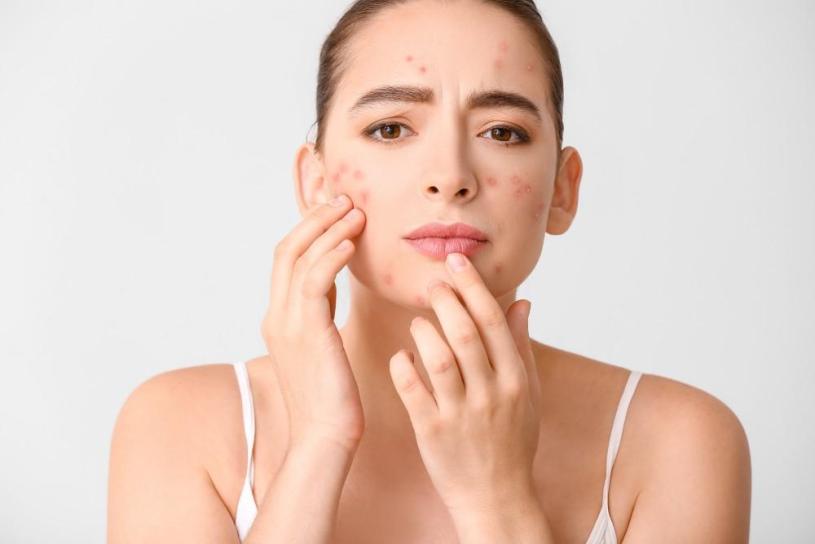
Acne is one of the most common skin conditions affecting individuals of all ages, particularly adolescents and young adults. This multifaceted issue can significantly impact self-esteem and quality of life. Fortunately, various treatment options are available to help manage and reduce acne effectively. This guide will explore the underlying causes of acne, the different types of treatment available, and lifestyle changes that can support healthier skin.
What Causes Acne?
Understanding the root causes of acne is essential for effective treatment. Acne occurs when hair follicles become clogged with oil, dead skin cells, and bacteria. Several factors contribute to this process:
- Hormonal Changes: Fluctuations in hormones, particularly during puberty, menstruation, pregnancy, and hormonal disorders, can lead to increased oil production in the skin, resulting in acne.
- Excess Oil Production: Overactive sebaceous glands can produce more oil than the skin needs, contributing to clogged pores.
- Bacteria: The presence of Propionibacterium acnes, a type of bacteria that thrives in blocked follicles, can lead to inflammation and pus-filled lesions.
- Diet: Emerging research suggests that certain dietary choices, such as high-glycemic foods and dairy, may exacerbate acne in some individuals.
- Stress: Stress triggers hormonal changes that can worsen acne, making stress management an essential aspect of treatment.
- Genetics: A family history of acne can increase an individual’s susceptibility to developing this condition.
Types of Acne Treatments
Effective acne management often requires a combination of treatments tailored to an individual’s skin type and the severity of their acne. Here are the primary categories of acne treatments:
1. Topical Treatments
Topical treatments are applied directly to the skin and are often the first line of defense against mild to moderate acne. They come in various forms, including creams, gels, and lotions. Key ingredients to look for include:
- Benzoyl Peroxide: This ingredient helps kill acne-causing bacteria and reduce inflammation. It is effective for mild to moderate acne but can be drying.
- Salicylic Acid: A beta hydroxy acid that helps exfoliate the skin, salicylic acid unclogs pores and reduces swelling and redness.
- Retinoids: Derived from vitamin A, retinoids promote cell turnover and prevent the formation of new acne lesions. They can also help fade acne scars over time.
- Azelaic Acid: Known for its anti-inflammatory properties, azelaic acid can reduce redness and swelling while also targeting bacteria.
2. Oral Medications
For individuals with moderate to severe acne, oral medications may be necessary. These treatments can be prescribed by a healthcare professional and include:
- Antibiotics: Oral antibiotics like tetracycline and doxycycline help reduce bacteria and inflammation. They are often used in conjunction with topical treatments.
- Hormonal Treatments: For women, hormonal therapies such as birth control pills can regulate hormones and reduce oil production, thereby decreasing acne flare-ups.
- Isotretinoin: This powerful oral retinoid is reserved for severe, treatment-resistant acne. It reduces oil production, prevents clogged pores, and has anti-inflammatory properties. Due to its potential side effects, it requires close monitoring by a healthcare provider.
3. Professional Treatments
In addition to at-home treatments, various professional procedures can enhance acne management:
- Chemical Peels: These involve applying a chemical solution to the skin to exfoliate and unclog pores. Chemical peels can improve skin texture and reduce the appearance of acne scars.
- Laser and Light Therapy: These treatments use specific wavelengths of light to target and kill acne-causing bacteria while reducing inflammation. They can be particularly effective for individuals with active acne.
- Extraction Procedures: Dermatologists can safely extract blackheads and whiteheads, providing immediate results in clearing clogged pores.
Lifestyle Changes to Support Skin Health
While treatments can effectively manage acne, incorporating healthy habits can also make a significant difference. Here are some lifestyle changes to consider:
- Maintain a Consistent Skincare Routine: A gentle, consistent skincare regimen that includes cleansing, moisturizing, and sun protection is essential. Avoid harsh scrubs or overly aggressive treatments that can irritate the skin.
- Hydrate: Drinking plenty of water supports overall health and helps maintain skin hydration, potentially reducing oiliness.
- Choose Non-Comedogenic Products: Opt for makeup and skincare products labeled “non-comedogenic,” meaning they won’t clog pores.
- Balanced Diet: Focus on a diet rich in fruits, vegetables, whole grains, and lean proteins. Reducing sugar and dairy intake may also help some individuals manage their acne.
- Manage Stress: Techniques such as yoga, meditation, or deep-breathing exercises can help lower stress levels, which in turn can positively impact acne.
When to Seek Professional Help
While many individuals can manage their acne with over-the-counter products and lifestyle changes, professional help may be necessary for persistent or severe cases. Consulting a dermatologist is crucial if acne leads to scarring or affects one’s self-esteem significantly. A dermatologist can provide personalized treatment plans and address any underlying conditions contributing to acne.
Embracing Clear Skin
Acne can be a challenging condition to manage, but understanding its causes and exploring available treatment options can lead to clearer skin and improved confidence. With the right combination of topical and oral treatments, professional procedures, and supportive lifestyle changes, individuals can take proactive steps toward achieving their skincare goals. Remember, patience is key in the quest for clear skin, as treatments often take time to show results.
 Active Life Health Blog