
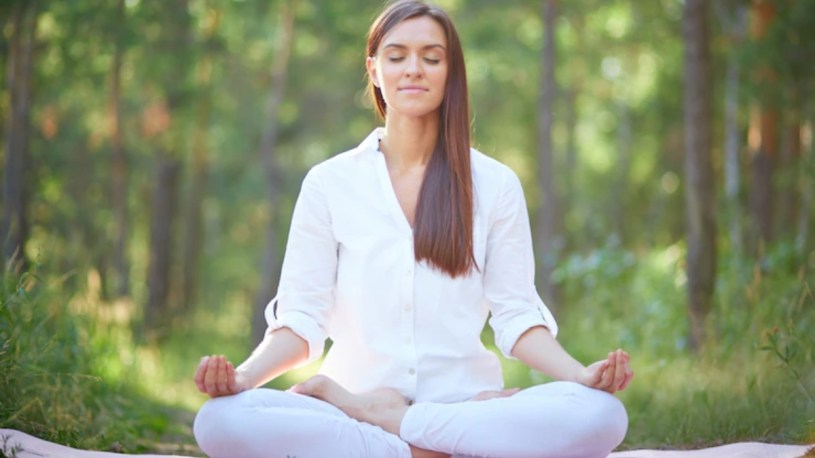
In today’s fast-paced world, where stress and distractions are ever-present, the practice of meditation stands out as a beacon of tranquility and self-awareness. This ancient practice, which has been embraced by countless cultures and traditions throughout history, offers a myriad of benefits for the mind, body, and spirit. Whether you are seeking to manage stress, enhance focus, or foster a deeper connection with yourself, understanding the principles and techniques of meditation can pave the way to a more fulfilling life.
What is Meditation?
At its core, meditation is a mental exercise designed to promote relaxation, concentration, and emotional well-being. It involves training the mind to focus and redirect thoughts, leading to a state of mental clarity and peace. While meditation can take various forms, they all share a common goal: to quiet the mind and cultivate a sense of awareness. Some popular techniques include mindfulness meditation, transcendental meditation, loving-kindness meditation, and guided visualization.
The Science Behind Meditation
Recent research has shed light on the profound effects meditation can have on the brain and overall health. Studies have shown that regular meditation can reduce the production of stress hormones like cortisol, leading to lower stress levels. Neuroimaging studies have revealed that meditation can increase gray matter density in regions of the brain associated with emotional regulation, self-awareness, and cognitive processing. This means that through consistent practice, individuals can develop a greater capacity for emotional resilience and mental agility.
Benefits of Meditation
- Stress Reduction: One of the most celebrated benefits of meditation is its ability to alleviate stress. Engaging in meditation helps to calm the mind and relax the body, creating a sense of serenity. Over time, this practice enables individuals to respond to stressors with greater equanimity.
- Enhanced Focus and Concentration: Meditation trains the mind to stay present and attentive. Regular practitioners often find improvements in their ability to concentrate and focus, making it easier to complete tasks efficiently and effectively.
- Emotional Well-Being: Meditation fosters a greater understanding of one’s thoughts and emotions. By observing rather than reacting to thoughts, individuals can cultivate a more positive mindset and manage negative emotions like anxiety and depression.
- Improved Sleep Quality: Many people struggle with insomnia and restless nights. Meditation promotes relaxation and can help quiet racing thoughts, making it easier to fall asleep and enjoy a more restful night.
- Physical Health Benefits: Meditation is linked to numerous physical health benefits. Research suggests that regular practice can lower blood pressure, improve immune function, and decrease chronic pain. The overall enhancement of well-being contributes to a healthier lifestyle.
Types of Meditation Techniques
- Mindfulness Meditation: This technique involves paying attention to the present moment without judgment. Practitioners often focus on their breath, bodily sensations, or the sounds around them. Mindfulness encourages a greater awareness of thoughts and feelings, leading to a more balanced perspective on life.
- Transcendental Meditation (TM): TM is a form of silent mantra meditation, where individuals silently repeat a specific word or phrase to settle the mind. This practice aims to transcend ordinary thought, bringing about a state of restful awareness.
- Loving-Kindness Meditation: This technique encourages practitioners to cultivate feelings of compassion and love towards themselves and others. By repeating phrases of goodwill, individuals can foster positive emotions and improve interpersonal relationships.
- Guided Meditation: In guided meditation, a teacher or a recording leads the practitioner through a visualization or specific scenario designed to promote relaxation and introspection. This form can be particularly beneficial for beginners who may find it challenging to meditate alone.
Getting Started with Meditation
Embarking on a meditation practice doesn’t require extensive training or special equipment. Here are some practical steps to help you begin:
- Create a Comfortable Space: Designate a quiet, comfortable area in your home where you can meditate without distractions. This space should feel inviting and calming.
- Set Aside Time: Consistency is key in meditation. Start with just a few minutes a day, gradually increasing the duration as you become more comfortable with the practice.
- Choose a Technique: Experiment with different meditation styles to find the one that resonates most with you. It’s perfectly fine to try multiple methods before settling on a preferred practice.
- Be Patient: Meditation is a skill that takes time to develop. Be patient with yourself and embrace the process without judgment. Every session, no matter how challenging, contributes to your growth.
- Use Resources: There are many apps, websites, and books available to guide you in your meditation practice. Utilizing these resources can provide structure and inspiration.
As meditation becomes increasingly integrated into our daily lives, it is essential to recognize its potential as a tool for transformation. By dedicating time to this practice, individuals can cultivate a sense of peace, balance, and well-being that enhances every aspect of life.
 Active Life Health Blog