
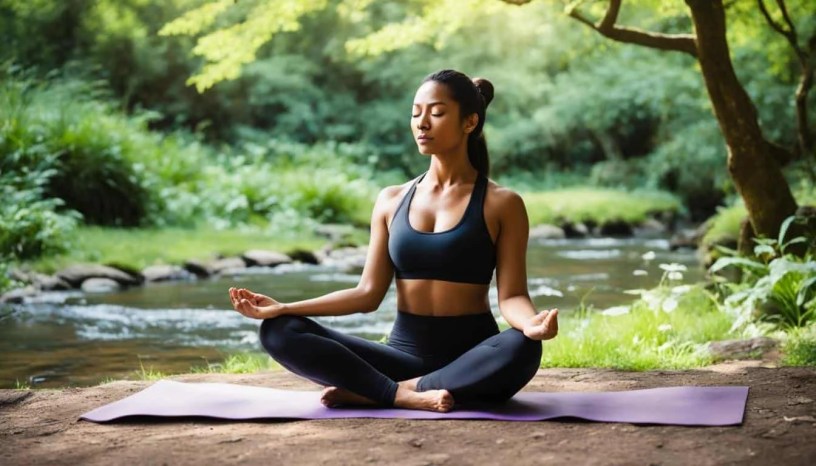
In a world that often feels chaotic and demanding, many individuals are turning to meditation as a refuge for their minds and souls. This practice, rooted in ancient traditions, is gaining traction in modern society due to its numerous benefits for mental, emotional, and physical health. By exploring the various dimensions of meditation, its techniques, and its profound advantages, one can appreciate how this timeless practice can foster a deeper sense of well-being.
Understanding Meditation
Meditation can be described as a mental exercise aimed at achieving a state of heightened awareness and focused attention. Unlike mere relaxation, meditation involves the deliberate practice of cultivating mindfulness, where practitioners learn to observe their thoughts without becoming entangled in them. The essence of meditation lies in its ability to help individuals create a space of calm amidst the noise of daily life, allowing for greater self-awareness and clarity.
The Science Behind Meditation
Recent scientific studies have illuminated the remarkable effects of meditation on the brain. Research indicates that meditation can alter brain structure, enhancing areas related to emotional regulation, attention, and memory. For instance, regular practice has been shown to increase the volume of gray matter in the hippocampus, a region crucial for learning and memory, as well as the prefrontal cortex, responsible for executive functions such as decision-making and social behavior. Furthermore, meditation has been associated with decreased activity in the amygdala, the brain’s fear center, which can help mitigate stress responses and promote a sense of calm.
Benefits of Meditation
Stress Relief: One of the most significant advantages of meditation is its ability to reduce stress. Through the practice, individuals can learn to manage their reactions to stressful situations. By fostering a sense of presence, meditation equips practitioners with tools to navigate challenges with greater composure and resilience.
Enhanced Emotional Health: Engaging in regular meditation can lead to improved emotional well-being. Studies suggest that mindfulness meditation can help decrease symptoms of anxiety and depression, promoting a more positive outlook on life. Practitioners often report feeling more connected to themselves and others, which can enhance overall happiness.
Improved Concentration: Meditation encourages the development of focus and attention. As practitioners learn to anchor their minds in the present moment, they often find that their ability to concentrate on tasks improves. This heightened focus can lead to increased productivity and efficiency in both personal and professional endeavors.
Better Sleep: For many, a restless mind can be the enemy of a good night’s sleep. Meditation can aid in quieting racing thoughts, making it easier to fall asleep and stay asleep. By promoting relaxation and reducing anxiety, practitioners often find that they enjoy deeper and more restorative sleep.
Physical Health Benefits: The benefits of meditation extend beyond mental health, impacting physical well-being as well. Research has shown that meditation can lower blood pressure, improve heart health, and enhance immune function. By reducing stress, meditation indirectly contributes to better physical health and longevity.
Types of Meditation Techniques
Mindfulness Meditation: This widely practiced technique emphasizes the importance of staying present and aware of one’s thoughts and feelings without judgment. Practitioners often focus on their breath, bodily sensations, or the environment around them. Mindfulness fosters a greater awareness of the present moment and encourages a non-reactive attitude toward thoughts and emotions.
Transcendental Meditation: Transcendental Meditation (TM) involves the silent repetition of a specific mantra. This technique is practiced for about 20 minutes twice a day and aims to transcend ordinary thought. TM is particularly appealing to those seeking a straightforward and effective method to achieve deep relaxation and mental clarity.
Loving-Kindness Meditation: Also known as Metta meditation, this practice focuses on cultivating feelings of compassion and love toward oneself and others. Practitioners typically repeat phrases wishing well-being and happiness for themselves and others, fostering a sense of connection and goodwill.
Guided Meditation: In guided meditation, practitioners listen to a recorded or live instructor who leads them through a specific visualization or theme. This approach can be especially helpful for beginners, as the guidance provides structure and helps to keep the mind focused.
Getting Started with Meditation
Embarking on a meditation practice requires no special skills or extensive preparation. Here are some steps to help you initiate your journey into meditation:
Find Your Space: Designate a quiet, comfortable area where you can meditate without interruptions. Creating an inviting atmosphere enhances the likelihood of establishing a consistent practice.
Set a Time: Consistency is vital for developing a successful meditation practice. Aim to set aside a specific time each day, even if it’s just for a few minutes. As you become more comfortable, gradually increase the duration.
Choose a Technique: Experiment with various meditation styles to discover which resonates with you. There’s no one-size-fits-all approach; find what feels most natural and beneficial for you.
Practice Patience: Meditation is a skill that evolves over time. It’s essential to be gentle with yourself and understand that some days will be more challenging than others. Embrace the process and allow your practice to unfold naturally.
Utilize Resources: Numerous apps, online courses, and guided sessions can support your meditation practice. Explore different resources to find those that inspire and motivate you.
Meditation offers a remarkable opportunity to cultivate peace, clarity, and resilience in our busy lives. By integrating this practice into daily routines, individuals can unlock a deeper connection to themselves and navigate life’s challenges with grace and composure. Embracing meditation is not merely an act of stillness; it is an invitation to discover a richer, more fulfilling experience of life.
 Active Life Health Blog