
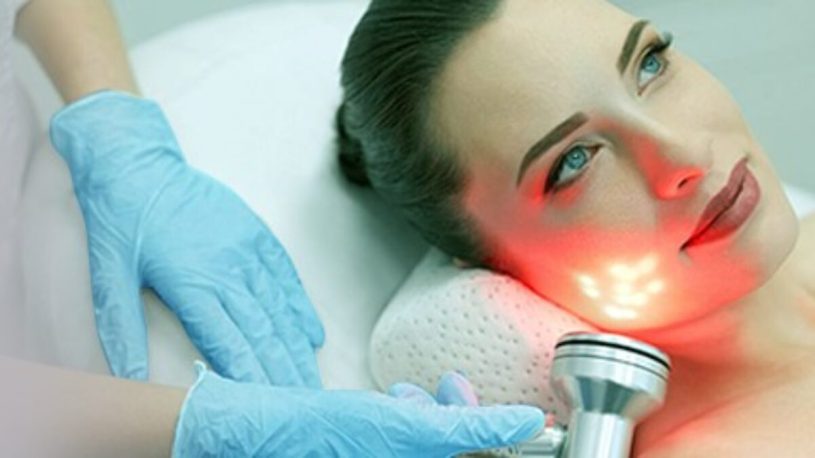
In recent years, laser and light therapy have gained immense popularity in the field of dermatology and aesthetics. These innovative treatments offer solutions for various skin concerns, including acne, pigmentation, wrinkles, and general skin rejuvenation. By harnessing the power of light and energy, these therapies can significantly improve skin texture, tone, and overall appearance. This comprehensive guide will explore the different types of laser and light therapies, their mechanisms of action, benefits, and considerations for individuals seeking skin improvement.
Understanding Laser and Light Therapy
Laser and light therapy utilize focused beams of light or energy to target specific skin concerns. Unlike traditional treatments that may affect the entire skin surface, these therapies deliver precise energy to targeted areas, minimizing damage to surrounding tissue. The term “laser” stands for Light Amplification by Stimulated Emission of Radiation, and it refers to the process by which light is generated and directed.
Light therapy, on the other hand, can encompass a variety of wavelengths, including those emitted by LEDs (light-emitting diodes) and other light sources. Both methods rely on specific wavelengths to penetrate the skin at varying depths, resulting in distinct therapeutic effects.
Types of Laser and Light Therapy
- Ablative Lasers
Ablative lasers work by removing the outer layer of damaged skin, which promotes new skin growth and improves overall texture. Common types include:
- Carbon Dioxide (CO2) Lasers: These lasers are highly effective for treating wrinkles, scars, and deep skin lesions. They vaporize the upper layers of skin while simultaneously stimulating collagen production, leading to tighter and smoother skin.
- Erbium Lasers: Often used for milder skin resurfacing, erbium lasers target superficial layers and are associated with fewer side effects and a shorter recovery time compared to CO2 lasers. They are effective for treating fine lines and superficial scars.
- Non-Ablative Lasers
Non-ablative lasers work by penetrating the skin without removing its outer layers. They stimulate collagen production and improve skin texture without significant downtime. Examples include:
- Pulsed Dye Lasers (PDL): These lasers are effective for treating vascular lesions such as rosacea and spider veins. They emit a concentrated beam of light that targets blood vessels, causing them to collapse and fade over time.
- Nd
Lasers: These lasers are versatile and can treat various skin concerns, including pigmentation, hair removal, and vascular lesions. They penetrate deeply into the skin and are effective for larger areas.
- Light Emitting Diode (LED) Therapy
LED therapy utilizes different wavelengths of light to address specific skin concerns. Commonly used colors and their effects include:
- Red Light: Promotes collagen production, improves skin elasticity, and reduces inflammation. It is often used for anti-aging treatments and to enhance overall skin health.
- Blue Light: Targets acne-causing bacteria, making it effective for treating active breakouts and preventing future acne.
- Green Light: Addresses pigmentation issues such as sunspots and hyperpigmentation by targeting melanin in the skin.
How Laser and Light Therapy Work
The effectiveness of laser and light therapy lies in their ability to induce controlled injury to the skin, prompting the body’s natural healing response. Here’s a closer look at the process:
- Targeted Energy Delivery: The chosen laser or light device emits energy that is absorbed by specific chromophores in the skin, such as melanin (pigmentation) or hemoglobin (blood vessels).
- Controlled Damage: By precisely delivering energy, lasers create micro-injuries in the skin, which stimulates the body’s healing process. This leads to increased collagen production and tissue regeneration.
- Skin Rejuvenation: As the skin heals, it becomes smoother, firmer, and more youthful in appearance. Non-ablative lasers may also promote long-term improvements by encouraging the growth of healthy skin cells.
Benefits of Laser and Light Therapy
The advantages of laser and light therapy are numerous, making them appealing options for individuals seeking skin enhancement. Some key benefits include:
- Minimal Downtime: Many non-ablative laser treatments require little to no recovery time, allowing individuals to return to their daily activities soon after the procedure.
- Precise Targeting: Laser and light therapies can be tailored to target specific areas of concern without affecting surrounding tissue, reducing the risk of side effects.
- Long-Lasting Results: With proper care and maintenance, the results from laser and light therapies can last for months or even years, providing a worthwhile investment in one’s skin health.
- Versatility: These treatments can address a wide range of skin issues, from acne and scars to pigmentation and fine lines, making them suitable for various skin types and concerns.
Considerations and Safety
While laser and light therapies are generally safe, it’s essential to consult with a qualified dermatologist or licensed practitioner before undergoing any treatment. Some important considerations include:
- Skin Type and Sensitivity: Certain lasers may be more suitable for specific skin types, so a professional assessment is crucial in determining the right approach.
- Possible Side Effects: Some individuals may experience redness, swelling, or temporary discoloration following treatment. These effects are typically mild and resolve quickly.
- Multiple Sessions: Achieving optimal results often requires a series of treatments spaced over time, depending on the individual’s goals and skin condition.
Aftercare and Maintenance
Post-treatment care is vital to ensure the best outcomes and minimize side effects. Common aftercare recommendations include:
- Sun Protection: Protecting the treated area from sun exposure is essential. Sunscreen with a high SPF should be applied regularly to prevent pigmentation issues and maintain results.
- Moisturization: Keeping the skin hydrated aids in the healing process and enhances the overall appearance.
- Avoiding Harsh Products: During the recovery period, it’s advisable to avoid exfoliants, retinoids, and other harsh skincare products that may irritate the skin.
Embracing Skin Health Through Technology
Laser and light therapy offer a sophisticated approach to addressing various skin concerns while promoting overall skin health. By understanding the different types of treatments available and how they work, individuals can make informed decisions about their skincare journey. As with any cosmetic procedure, consulting with a qualified professional ensures a personalized treatment plan that aligns with one’s goals and skin type, ultimately leading to radiant and rejuvenated skin.
 Active Life Health Blog