
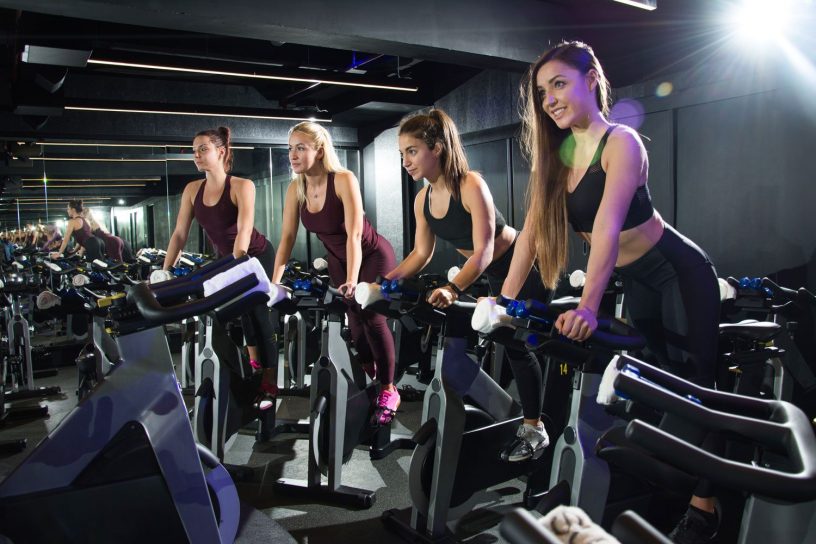
Indoor training has grown rapidly in popularity, particularly in high-density cities like Singapore where weather, traffic, and urban air quality often make outdoor workouts inconvenient. For riders, indoor cycling Singapore provides a safe and structured environment. Yet, what many do not consider is that air quality within the studio is just as important as the workout itself. Clean, well-circulated air directly affects performance, safety, and comfort. This is where HVAC design and smart sensors come into play.
Why Air Quality Matters in Indoor Cycling
Cycling in an enclosed space increases the body’s oxygen demand while also generating heat, sweat, and carbon dioxide. Without proper ventilation, indoor air can quickly become stale and humid. Poor air quality has direct consequences:
-
Reduced oxygen availability: Makes workouts feel harder than they should.
-
Excess carbon dioxide (CO₂): Causes fatigue, headaches, and poor concentration.
-
High humidity: Leads to discomfort, skin irritation, and reduced cooling efficiency.
-
Poor airflow: Increases risks of airborne particle buildup.
Riders may not consciously notice these changes but will often feel their performance decline in poorly ventilated environments.
HVAC Systems for Indoor Cycling Studios
Heating, Ventilation, and Air Conditioning (HVAC) systems form the foundation of indoor cycling comfort. For studios in Singapore’s humid climate, the design must go beyond standard cooling.
Fresh Air Intake
Air-conditioning alone is not enough. True ventilation requires bringing in filtered outdoor air while removing stale indoor air. A ratio of 20–30 cubic feet per minute per rider is often cited as optimal.
Temperature Control
Cycling raises body temperature quickly. Keeping studio temperatures between 20–23°C ensures comfort while still allowing sweat-driven cooling. Precision cooling prevents excessive chill without letting the room overheat.
Humidity Regulation
Humidity is often overlooked but plays a critical role. In Singapore, humidity can exceed 80 percent, which makes sweat evaporation less effective. Dehumidifiers and HVAC moisture control help maintain levels around 50–60 percent, improving both comfort and hygiene.
Airflow Direction
Airflow should circulate evenly, not just blow directly from vents. Well-placed ceiling diffusers or oscillating fans spread cool, fresh air across the entire studio.
The Role of Air Filtration
Air quality is only as good as the filtration system supporting it. Two main types of filters matter in indoor cycling:
-
HEPA filters: Capture fine particles such as dust, pollen, and PM2.5 that are common in Singapore haze seasons.
-
Activated carbon filters: Absorb odours, volatile organic compounds (VOCs), and certain gases, keeping the studio smelling fresh.
Studios with both filtration types create safer, cleaner environments for riders, particularly during seasonal air quality fluctuations.
Smart Sensors for Monitoring Studio Air
Technology now makes it easier to maintain optimal training environments. Sensors provide real-time feedback on air quality, guiding adjustments before problems arise.
CO₂ Sensors
Carbon dioxide levels rise quickly during group sessions as riders exhale more. Ideal levels should stay below 1,000 ppm. Above this, riders may feel sluggish or lightheaded. Sensors can trigger ventilation adjustments automatically.
PM2.5 and AQI Sensors
These measure fine particulate matter. During haze periods, they help determine if indoor filtration is adequate. If levels remain high, additional filtration or reduced intensity may be required.
Humidity and Temperature Sensors
Monitoring ensures riders remain comfortable and helps facilities avoid mould or equipment corrosion. Automatic dehumidification and temperature regulation based on sensor data keeps studios consistent.
Integration with Smart HVAC
When connected to smart HVAC systems, these sensors adjust airflow, cooling, and purification dynamically. This creates a responsive environment that adapts to the demands of each class.
Performance Benefits of Clean Air
Riders often underestimate how much air quality affects performance. Studies show that high CO₂ and humidity increase perceived exertion, meaning workouts feel harder than they are. In contrast, clean and cool environments:
-
Allow riders to sustain higher workloads.
-
Reduce dehydration risk.
-
Improve mental focus during interval training.
-
Create safer conditions for riders with asthma or allergies.
By ensuring good air design, studios protect health while enhancing results.
Designing for Safety and Comfort
Indoor cycling studios must balance energy efficiency with rider safety. Best practices include:
-
Installing dual filtration systems combining HEPA and carbon.
-
Designing airflow layouts that avoid dead spots in the room.
-
Running ventilation before and after classes to refresh the environment.
-
Training staff to monitor sensors and act on alerts.
Studios that implement these measures offer a superior rider experience.
Sustainability and Energy Considerations
Modern HVAC design must also address sustainability. Constantly running systems consume significant energy. Solutions include:
-
Demand-controlled ventilation: Systems that adjust fresh air based on CO₂ readings.
-
Zoning systems: Cooling only occupied areas instead of the whole facility.
-
Energy recovery ventilators (ERVs): Capture and reuse energy from exhaust air.
This combination balances clean air with energy efficiency, critical in Singapore’s sustainability-focused urban planning.
The Rider’s Role in Air Quality
Riders can also contribute to maintaining studio environments. Simple steps make a difference:
-
Bringing towels to manage sweat and reduce moisture load.
-
Wearing moisture-wicking clothing to aid cooling.
-
Staying hydrated to maintain natural temperature regulation.
-
Respecting studio cleanliness protocols.
Together, these habits complement HVAC and sensor systems, ensuring a healthier ride for all.
The Value of Professional Studio Design
Facilities that invest in air quality gain more than just comfort. They enhance performance, reduce health risks, and build strong community loyalty. Riders notice the difference between a poorly ventilated space and a professionally designed one. Structured, well-managed sessions at TFX Singapore provide a benchmark for how fitness environments should prioritise air quality alongside training.
FAQs
Q. Why do I feel more tired in some spin studios compared to others?
A. Poor ventilation and high CO₂ levels can make workouts feel harder. Studios with proper HVAC and air filtration provide more consistent performance environments.
Q. What is the ideal humidity level for spin classes in Singapore?
A. Around 50–60 percent. Higher humidity reduces cooling efficiency and makes riders feel overheated more quickly.
Q. Are air purifiers alone enough for haze season?
A. Not always. While purifiers help, they must be paired with proper HVAC design that brings in filtered fresh air and maintains circulation.
Q. Do CO₂ sensors really make a difference?
A. Yes. Rising CO₂ levels affect focus and stamina. Sensors ensure ventilation systems respond in real time, keeping conditions optimal.
Q. Why does my breathing sometimes feel heavier indoors than outdoors?
A. This may be due to inadequate ventilation, excess humidity, or rising CO₂ levels indoors. Proper HVAC design prevents this effect.
Q. Can poor indoor air quality affect skin health?
A. Yes. High humidity and inadequate airflow increase skin irritation and risk of breakouts. Good ventilation keeps the environment healthier for the skin as well as the lungs.
Q. How often should HVAC systems in spin studios be maintained?
A. Filters should be cleaned or replaced every 1–3 months, depending on usage. Professional servicing every 6–12 months ensures systems remain efficient.
Q. Is it safe to attend classes during Singapore’s haze season?
A. Yes, if the studio uses HEPA filtration and monitors air quality. Riders should still check AQI reports and adjust intensity if necessary.
 Active Life Health Blog