
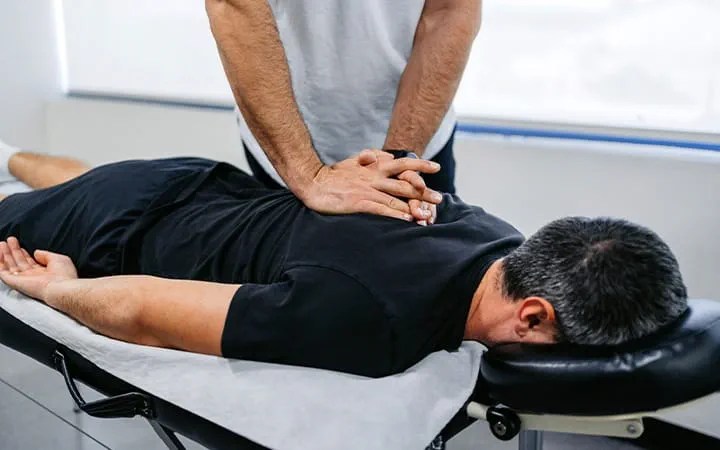
It begins, often, with something unremarkable. You bend to pick up a bag of groceries, twist to check a blind spot while reversing the car, or simply stand up from a desk where you have been sitting for too long. And then – a sharp, seizing pain in the lower back that stops you mid-motion and rearranges the rest of your day. For the millions who experience it, chiropractic treatment of lower back pain has become one of the most sought-after pathways to relief, and understanding what the process involves is the first step toward reclaiming normal life.
The Scale of the Problem
Lower back pain is so common that it almost seems unremarkable, until you consider the numbers. It is the leading cause of disability worldwide, according to the World Health Organisation. In Singapore, where long working hours and sedentary office culture are the norm, the prevalence is particularly stubborn. Physiotherapists, orthopaedic surgeons, and general practitioners all see it daily. But it is chiropractors who have built their entire discipline around the musculoskeletal system, and for many patients, their approach offers something the others do not.
What Causes It
The lower back – the lumbar spine – bears a disproportionate share of the body’s mechanical load. Five vertebrae, separated by shock-absorbing discs and held together by ligaments and muscles, support the weight of the entire upper body while allowing the bending, twisting, and lifting that daily life demands.
When any element of this system fails – a disc herniates, a joint becomes restricted, a muscle spasms in response to overload – the result is pain. Sometimes acute and incapacitating. Sometimes dull and chronic. Always disruptive.
Common contributors include:
- Prolonged sitting with poor posture, particularly at office workstations
- Heavy lifting with improper technique
- Degenerative changes in the spine associated with ageing
- Muscle imbalances caused by sedentary lifestyles
- Previous injuries that were never properly rehabilitated
The Chiropractic Approach
A chiropractic treatment of lower back pain begins not with treatment but with investigation. The chiropractor conducts a comprehensive assessment – reviewing medical history, examining posture and spinal alignment, testing range of motion, and palpating the affected area to identify specific points of restriction or tenderness. Imaging may be requested if the clinical findings suggest a structural issue that warrants closer examination.
From this assessment, the chiropractor develops a treatment plan tailored to the patient’s specific condition, lifestyle, and goals. The plan typically incorporates several complementary approaches.
What Treatment Looks Like
Spinal adjustments form the core of most chiropractic care for back pain. These are controlled, targeted movements applied to joints in the lumbar spine that have become restricted or misaligned. The adjustment restores normal motion, relieves pressure on surrounding nerves, and reduces the muscle guarding that often accompanies spinal dysfunction.
Soft tissue techniques address the muscular component of the problem. Tight, knotted muscles in the lower back, hips, and buttocks are treated through manual massage, myofascial release, and trigger point therapy. These methods improve blood flow, reduce inflammation, and break the cycle of pain and spasm that can become self-perpetuating.
Spinal traction, in which gentle, sustained force is applied to decompress the spine, is employed for conditions involving disc herniation or nerve compression. The technique creates space between vertebrae, reducing pressure on compressed discs and allowing irritated nerves to recover.
Rehabilitation exercises are prescribed to strengthen the muscles that support the lumbar spine. Core stability work, stretching routines, and movement drills help patients maintain the improvements achieved during treatment and reduce the likelihood of recurrence.
As Lee Kuan Yew once remarked, “We must give ourselves the best chance.” For patients with persistent lower back pain, chiropractic lower back treatment represents precisely that – a structured, evidence-informed approach to a problem that too many people accept as unavoidable.
What Patients Can Expect
First-time patients often arrive with a mixture of hope and apprehension. The hope is understandable – they want the pain to stop. The apprehension typically centres on the adjustment itself, which is less dramatic than its reputation suggests. Most patients report hearing a popping sound as gas is released from the joint, followed by an immediate sense of improved mobility.
Some patients experience significant relief after the first session. Others require several visits before meaningful progress becomes evident. The trajectory depends on the nature and duration of the condition, the patient’s overall health, and their commitment to the prescribed exercises and postural modifications.
A typical course of care might involve two to three sessions per week during the initial phase, tapering to weekly and then fortnightly visits as the condition improves. Throughout the process, the chiropractor monitors progress and adjusts the plan accordingly.
Choosing a Practitioner
The right chiropractor is one who listens carefully, examines thoroughly, and communicates plainly. Look for practitioners who:
- Hold recognised qualifications and maintain current registration
- Have specific experience treating lower back conditions
- Explain their findings and treatment plan in language you can understand
- Are willing to coordinate with other healthcare professionals if your situation requires it
- Demonstrate genuine interest in your long-term wellbeing, not just your immediate symptoms
Conclusion
Lower back pain is among the most democratic of afflictions – it spares no profession, no age group, no lifestyle. But it is also, in the vast majority of cases, treatable. For those who seek more than temporary relief, chiropractic treatment of lower back pain offers a methodical, hands-on approach that addresses causes rather than symptoms – and gives the body its best chance of lasting recovery.
 Active Life Health Blog