
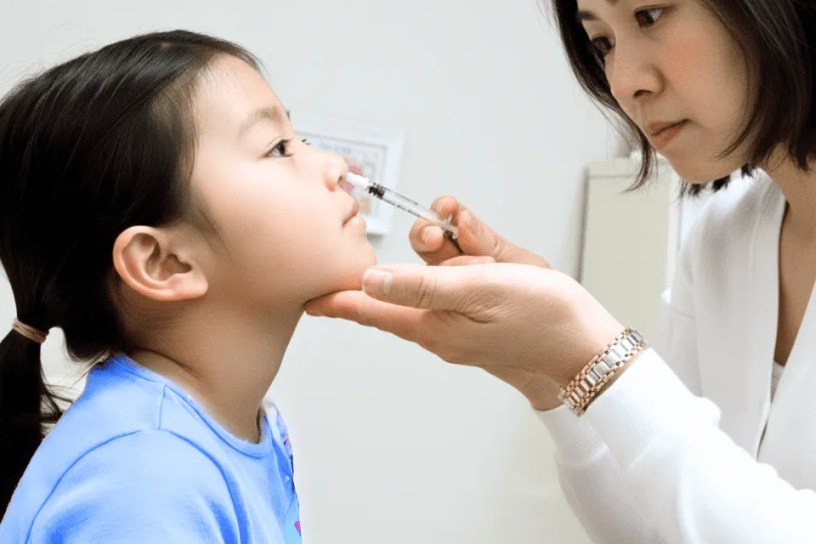
Getting a flu jab before flu season peaks is the single most effective step most healthy adults can take to reduce their risk of falling seriously ill over the coming months. Singapore sees two influenza seasons annually, with activity typically rising from December to March and again from May to July, tracking the patterns of the northern and southern hemispheres simultaneously. In a city where most workers commute on crowded trains and work in air-conditioned offices, the flu spreads with particular ease, and the consequences of catching it go beyond a miserable week in bed.
Why the Flu Jab Matters More Than People Think
Influenza is not a bad cold. It causes high fever, muscle aches, fatigue, and respiratory symptoms that typically keep people away from work for five to seven days. For older adults, people with chronic conditions such as diabetes or heart disease, and young children, the risks extend to pneumonia, hospitalisation, and in severe cases, death.
The flu jab is updated annually to match the strains that the World Health Organization identifies as most likely to circulate in the coming season. Vaccine effectiveness varies year to year depending on how well the prediction matches the actual circulating strains, but even in seasons where the match is imperfect, vaccination reduces the severity of illness and the risk of complications.
Who Should Get Vaccinated in Singapore
The Ministry of Health in Singapore recommends annual influenza vaccination for:
- Adults aged 65 and older
- Children aged 6 months to 5 years
- Pregnant women
- People with chronic medical conditions including diabetes, heart disease, kidney disease, and chronic respiratory conditions
- Healthcare workers
Most healthy working-age adults also benefit from vaccination, both for personal protection and to reduce transmission to family members who may be in higher-risk groups.
How Singapore’s Subsidy Programme Works
Singapore subsidises influenza vaccination for eligible groups through the National Vaccination Schedule and the Community Health Assist Scheme. Singaporeans and permanent residents who are 65 and older can receive subsidised flu vaccination at CHAS-accredited General Practitioner clinics. Children in the target age group may also be eligible for subsidised vaccination.
“Prevention is always better than cure,” said former Health Minister Gan Kim Yong, a principle that Singapore’s public health policy consistently reflects in its investment in subsidised vaccination programmes.
What to Expect When You Get a Flu Jab
The vaccination appointment is brief. A nurse or doctor will confirm your health history, advise you on what to expect, and administer the injection into the upper arm. The whole process takes under fifteen minutes. Side effects are generally mild: a sore arm for a day or two, and occasionally a mild headache or low-grade fever. These resolve quickly and are a normal immune response to the vaccine.
Timing Your Vaccination
Vaccination takes about two weeks to produce full immune protection. Getting vaccinated before the flu season peaks gives the immune system time to build up its response before exposure is most likely. In Singapore’s pattern of two annual seasons, many GPs recommend vaccination in October to November to cover both the year-end northern hemisphere season and the following mid-year southern hemisphere season.
Getting Your Flu Jab at Lion Health
Lion Health provides influenza vaccination services in Singapore for individuals and families seeking straightforward, professional care without a long wait. Their team can advise on the appropriate vaccine for your age group and health situation and answer questions about timing and eligibility for subsidies.
The flu jab is one of the lowest-effort, highest-impact health decisions available to most Singaporeans.

